







Search Results for: Clear Latte

How is a piccolo latte different from a flat white or a latte? A clear breakdown from cup size and ratios to the steps
The espresso family is vast. Even when it's just espresso plus milk, different ratios give rise to distinctive drinks like the latte, cappuccino, and flat white. This article focuses on the smallest member of the family—the Piccolo Latte. We'll start with the origin of its name and its historical background, explaining why it's called a "small latte" and how it was originally used to test the harmony between coffee beans and milk. Then we'll compare it with a regular latte in terms of cup size, number of espresso shots, and milk foam thickness, and share the specific parameters Front Street Coffee uses in practice—such as dose, extraction time, and milk frothing volume—to help readers recreate a balanced mini latte at home. [more…]
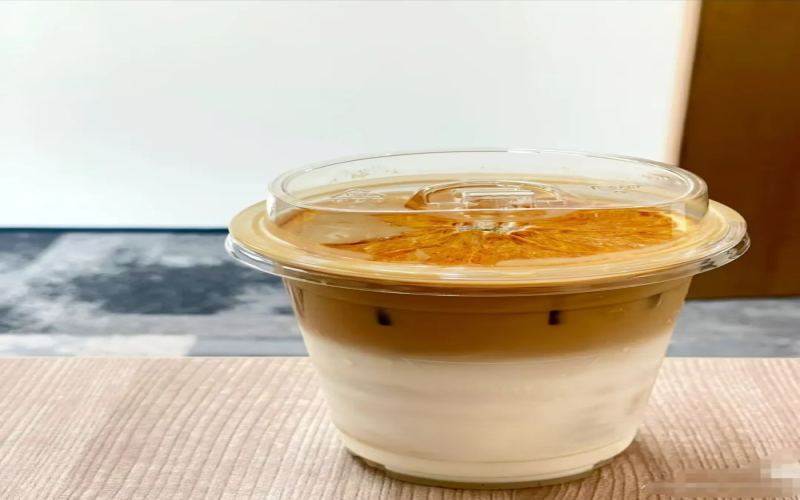
Manner's rapid launch of new tea-coffee drinks sparks discussion; Orange Iced Tea Latte accused of being highly similar to its own Clear Orange Latte
Recently, Manner has noticeably accelerated the pace of launching new drinks, with multiple cold beverages hitting the menu in just over a month. The latest offering, the "Orange Iced Tea Latte," combines orange, jasmine green tea, and coffee, yet it has drawn considerable criticism from consumers for being highly similar to its own "Clear Orange Latte." Meanwhile, regulars have noticed that Manner has lately favored a formula approach of "fruit + tea infusion + coffee," from the "Apricot Iced Tea Americano" to various flavored drinks, which has been mocked as a "expensive substitute for Luckin," and the issue of drinks being too sweet has been frequently mentioned. Manner, once known for its specialty coffee image, now seems to be gradually turning into a "saccharin assassin" in the eyes of loyal customers, with expectations for new products continuously declining. [more…]

Luckin's launch of Toffee Hazelnut Milk Tea sparks debate: accused of mixing unsold ingredients to clear inventory, classic latte recipe also adjusted
As the weather turns cooler, Toffee Hazelnut Latte has once again become a hot topic among coffee enthusiasts. Brands such as Starbucks and Peet's have successively announced the return of their classic versions, and Luckin is also reported to be launching a Toffee Hazelnut Latte next week, along with a new "Toffee Hazelnut Milk Tea." However, this new product has sparked collective concern among Luckin employees. According to a leaked recipe, the milk tea uses Assam black tea as its base, with the addition of Toffee Hazelnut Velvet Flavored Milk, brown sugar syrup, Silkido, and Milk Skin Velvet Flavored Milk. Employees pointed out that when Silkido and Milk Skin Velvet are mixed, they form the "tofu pudding"-like milk jelly that was criticized in the previous Milk Skin Latte, and since these two ingredients have long been overstocked, it is being questioned as a mix-and-match move to clear inventory. Meanwhile, this year's returning Toffee Hazelnut Latte is also rumored to have a changed recipe, which may leave consumers who were expecting last year's taste somewhat disappointed. [more…]

What's the difference between a latte and a cappuccino? A clear breakdown from ratios and milk foam thickness to latte art performance
Latte and cappuccino are the two most common classic milk coffees in coffee shops, but many friends who are new to coffee are not clear about their real differences, and often order based on whether the latte art looks good or whether the name sounds fancy, resulting in a coffee that does not match their expectations. From the perspective of Front Street, this article systematically sorts out the differences between these two drinks: they use the same ingredients, all being espresso, milk, and milk foam, but the ratios and milk foam thickness are completely different. A latte has a high proportion of milk and thin milk foam, tastes sweeter, and is suitable for complex latte art; a cappuccino has less milk and thick milk foam, with a more prominent coffee flavor and a creamier mouthfeel. The article also introduces the characteristics of two espresso beans, Front Street Classic Blend and Front Street Commercial Blend, suitable as a reference for enthusiasts who want to make lattes and cappuccinos at home. [more…]

What exactly is the difference between a flat white and a latte? A clear breakdown from the coffee base and milk quantity to foam thickness
Flat White and Latte both belong to the category of milk coffee, yet they taste noticeably different. Many people notice when ordering a Flat White at Front Street Coffee that its cup size is smaller than a Latte, the coffee flavor is more concentrated, and the milk foam is thinner. In fact, the Flat White evolved precisely from the Latte. This article will examine the main differences between the Flat White and the Latte from the perspectives of coffee base, milk volume and cup size, and milk foam thickness, and explain why the Flat White is usually only served hot, as well as how to choose if you want something rich but without too much milk. [more…]
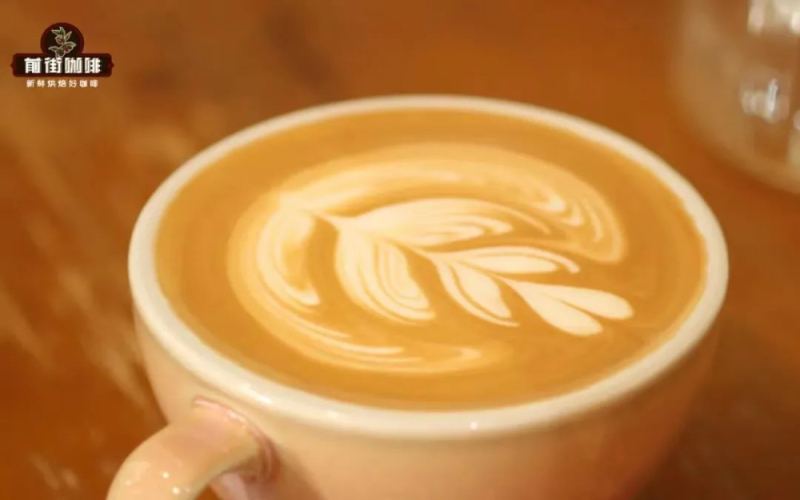
Latte art milk frothing and pouring techniques: a complete approach from basic practice to on-the-spot adaptation
Latte art is something that sounds simple but often leaves people scratching their heads in practice. Many beginners can occasionally pour a beautiful pattern, but when they try to reproduce it, they just can't find that same touch again. Front Street believes that judging whether a latte art pour is up to standard starts with the fineness of the surface milk foam, then whether the integration is even and the boundary between the golden ring and the pattern is clear, and only lastly comes the pattern itself—clear texture and well-defined shape are enough; complexity is not the point. Theory cannot replace feel, but there are some practical tips that can effectively reduce the failure rate. This article will share a few lessons Front Street has summarized through hands-on practice, covering adjustments to milk foam thickness, pre-treatment before integration, repeated refinement of basic patterns, and flexible remedies during pouring, in hopes of helping coffee enthusiasts pour latte art more consistently in their daily output. [more…]
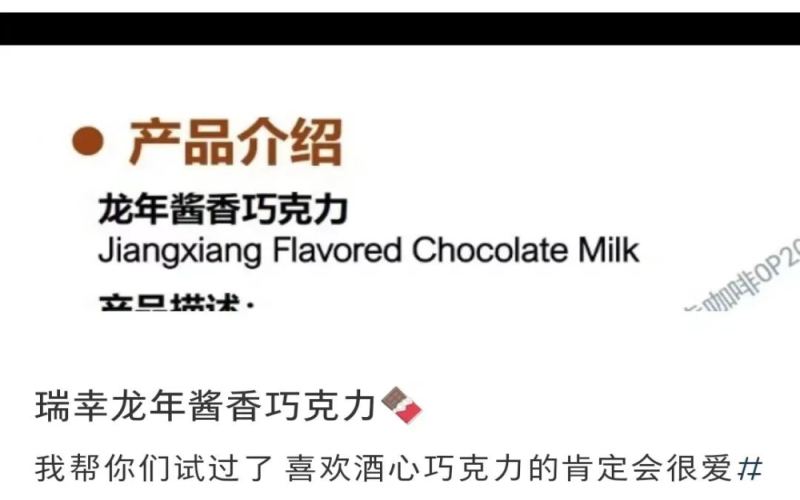
Luckin Rumored Again to Team Up with Moutai for a Dragon Year Sauce-Flavored Chocolate, Netizens Suspect It's a Clear-Inventory Marketing Move
Last year, the collaboration between Luckin Coffee and Moutai to create the Sauce-Flavored Latte took the market by storm, becoming a phenomenon-level co-branded product. Recently, rumors have circulated online that the two parties will collaborate once again, with plans to launch a "Year of the Dragon Sauce-Flavored Chocolate." The ingredients of the new product are quite similar to the Sauce-Flavored Latte, sparking discussions among netizens about its taste and motives. Some believe this may be a routine move by the brand to clear raw material inventory using an old recipe. In fact, Luckin has repeatedly launched new products by slightly adjusting the recipes of existing beverages to maintain a high-frequency product launch rhythm. Whether this strategy can sustain the hit-making effect still needs to be tested by the market. [more…]
Practical Tips to Improve Milk Foam Quality and Latte Art Success Rate: A Complete Guide from Texturing Thickness to Pattern Practice
Many coffee enthusiasts find latte art to be no easy task—sometimes you happen to pour a beautiful pattern, but then find it impossible to reproduce. The standards for a good-looking latte art actually vary from person to person. Front Street Coffee believes that the first thing to look at is the fineness of the surface, followed by whether the integration is even and whether the boundary between the golden ring and the pattern is clear, and only last comes the pattern itself—clear texture and distinct shape are enough. To achieve these effects, theory cannot replace the feel that comes from repeated practice, but mastering a few small tips can effectively reduce the failure rate. This article will share practical operational advice summarized by Front Street Coffee, covering aspects such as milk foam steaming thickness, pre-processing before integration, repeated practice of basic patterns, and flexible adaptation, to help you present your ideal patterns more consistently in your daily output. [more…]

What's the difference between a latte and an Americano? Understanding the espresso-based coffee system and its taste characteristics starting from espresso
On an espresso menu, latte and americano are the two most common options, but many people are not clear about their fundamental differences. In fact, both drinks are extensions of espresso: a latte adds milk to the espresso, while an americano dilutes the espresso with water. Understanding this underlying logic makes it clear why the two present completely different profiles in taste, aroma, and aftertaste. Starting from Front Street Coffee's production practices, this article will first introduce the definition of espresso, bean selection, and extraction parameters, then separately analyze the preparation methods and flavor performance of latte and americano, and finally explain the source of americano's bitterness and adjustment approaches, helping coffee enthusiasts build a clear cognitive framework for espresso. [more…]
The Complete Guide to Latte Art with Hot Fresh Milk: Practical Approaches from Milk Foam Handling to Pattern Formation
Latte art is one of those things that can seem either difficult or easy—some people occasionally pour a beautiful pattern, but then can't reproduce it no matter how hard they try. At Front Street Coffee, we believe that judging the quality of latte art starts with whether the surface is smooth and fine, then whether the integration is even and the boundary between the golden ring and the pattern is clear, and only lastly comes the pattern itself—as long as the texture is sharp and the shape is well defined, that's enough. Theory can't replace feel, but a few small tips can help you reduce your failure rate. This article walks you through bean selection, milk foam thickness, pre-fusion preparation, repeated practice of basic patterns, and flexible adaptation, teaching you step by step how to make stable, attractive latte art with hot fresh milk. [more…]

What Are the Differences Between Americano, Latte, and Cappuccino? A Clear Explanation from Recipe Structure to Taste and Flavor
Faced with Americano, Latte, and Cappuccino on a coffee menu, many people recognize the words but can't clearly explain the differences between them. This article will systematically sort out the differences among these three common coffee drinks from three dimensions: historical origins, recipe structure, and taste characteristics. Americano is espresso plus water, Latte is espresso plus milk and a thin layer of milk foam, while Cappuccino brings a rich, dense mouthfeel with thick milk foam. The article will also combine actual output from Front Street Coffee stores to provide specific espresso extraction plans and production parameters for each drink, helping you not only understand the menu but also grasp the logic behind every cup of coffee. [more…]

Latte Art Tutorial: Operational Differences Between Leaf Patterns and Layered Hearts, and a Detailed Guide to Creating Latte Art
After mastering the basic heart and the more advanced multi-layered heart, the leaf pattern is another hurdle to overcome in latte art practice. It may look similar to the multi-layered heart, but in reality there are clear differences in milk foam condition, the amount of integration, the pour point, and the swinging method. This article will break down the key points of making leaf latte art one by one, from milk foam thickness, the amount of milk used for integration, the pour point for creating the pattern, and swinging techniques to the complete hands-on steps. It will also explain the impact of different pitcher capacities on the process, and how to find the right position for creating the design by adjusting the amount of integration. Front Street Coffee suggests first practicing repeatedly with dish soap and soy sauce, and once the technique is proficient, then using milk and espresso for real practice, so you can pour a leaf pattern with clear stripes and a beautiful finish. [more…]

An In-Depth Analysis of the Causes of Coffee Latte Art Blurring: The Key Effects of Milk Foam Separation, Soy Milk Characteristics, and Water Content in Steaming
If your latte art patterns aren't coming out clear and beautiful, the problem isn't necessarily your technique—the characteristics of your ingredients and the state of your milk foam play just as decisive a role. Many coffee enthusiasts have encountered the situation where, when making a latte, flat white, or cappuccino, the milk foam bleeds and spreads upon contact with the crema, and this becomes especially obvious in the latter half of drawing a pattern. Front Street Coffee will analyze the causes of this phenomenon one by one from three angles—the separation of milk foam and milk, the inherent characteristics of the coffee beans and the milk, and the amount of water introduced by the steam during frothing—and offer corresponding ideas for improvement to help you create latte art with crisp lines and clearly defined layers. [more…]
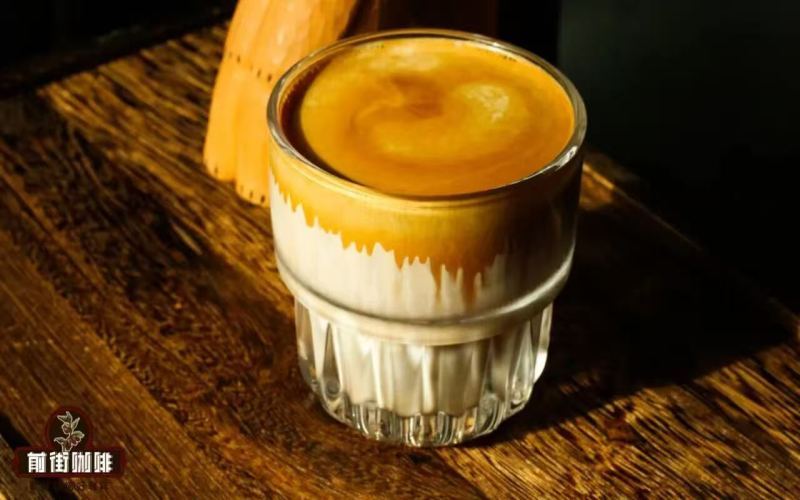
What beans pair with a latte, cappuccino, and Dirty respectively?
They are all milk coffees, but a latte, a cappuccino, and a Dirty differ in milk foam thickness, temperature, and drinking method, so they also have slightly different requirements for the beans. Choose the right beans, and each milk coffee can show its best form. Latte: balance and richness are the key. A latte has thinner milk foam, and the ratio of coffee to milk is close, [more…]
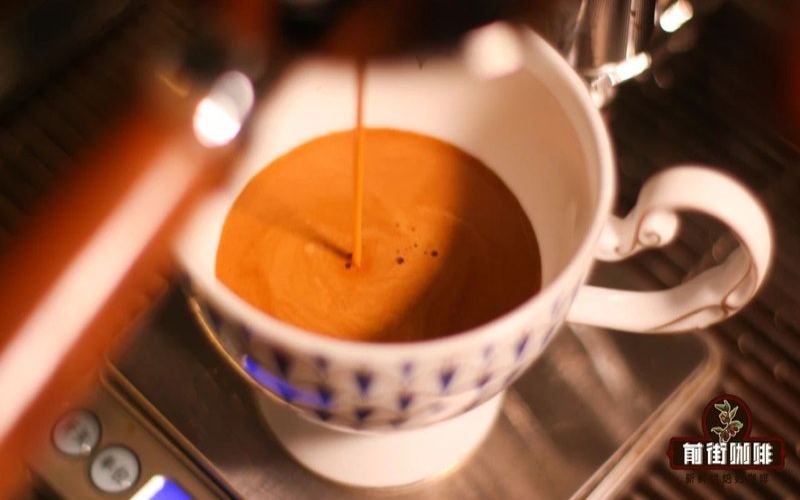
Choosing Latte Coffee Beans by Roast Level: A Guide from Light and Refreshing to Rich and Bold
The base of a latte is espresso, while milk provides a smooth mouthfeel and natural sweetness. Whether the coffee beans are roasted light, medium, or dark will change the aroma, acidity, and body in the cup. If you want the coffee flavor to come through more clearly, pay attention to the intensity brought by the roast; if you prefer something soft and easy to drink, focus on the beans' sweetness and body. [more…]
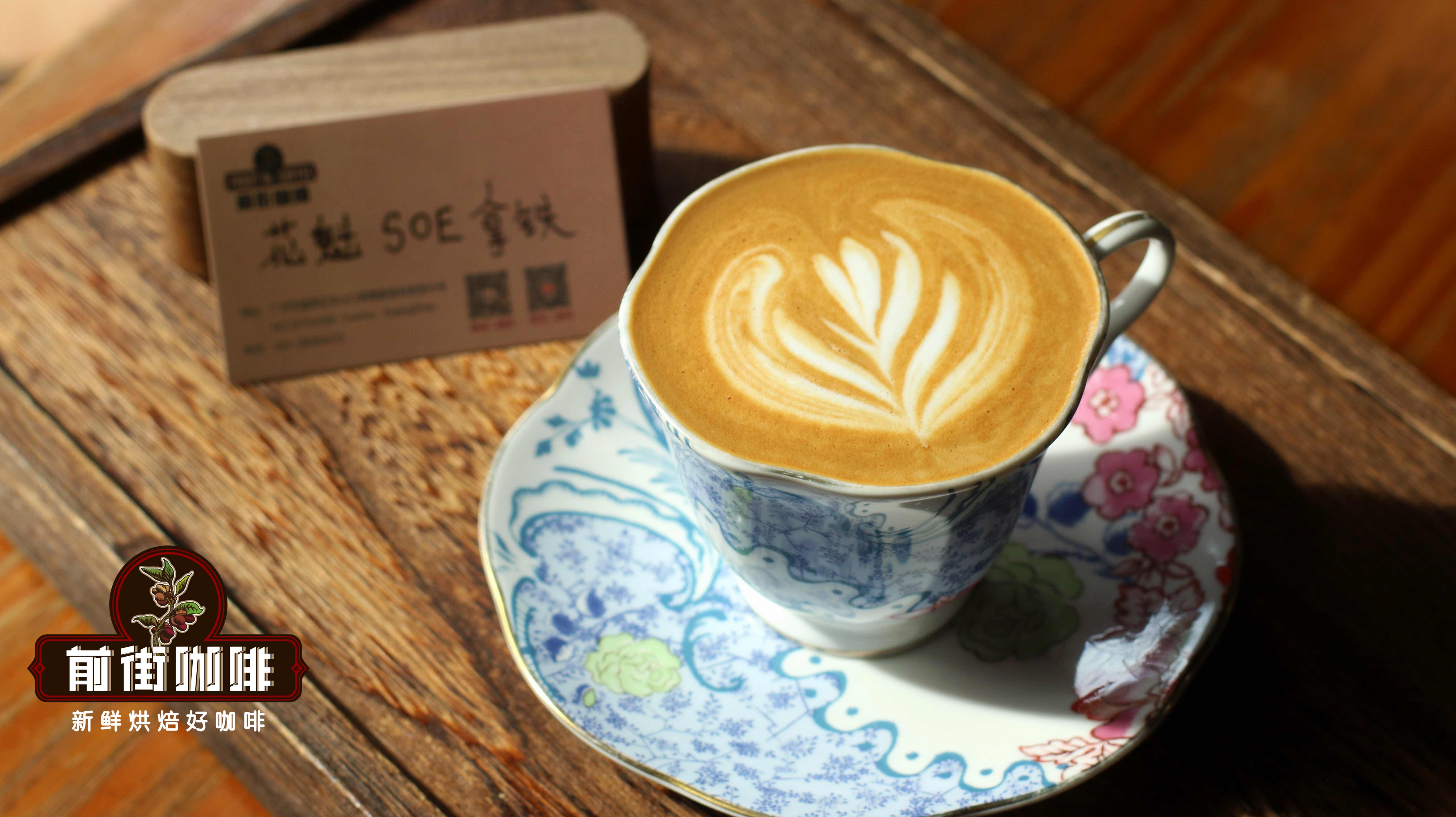
What's the Difference Between a Flat White and a Latte? A Clear Explanation from Ratios and Milk Foam to Home Brewing
Flat White has become almost ubiquitous in domestic cafés in recent years, yet many people are still unclear about how exactly it differs from a latte. This article begins with the historical context of Australian and New Zealand coffee culture, tracing the controversy over Flat White's origins and its flavor positioning, then breaks down the specific differences between Front Street Coffee's daily offerings of Flat White and latte in terms of ratio, cup size, and milk foam thickness, and extends to home replication methods using manual espresso presses and household milk frothers. At the end, it also explains why Flat White is only served hot, and how to select espresso blend beans with greater stability when making Flat White, along with flavor descriptions of three Front Street nutty-toned coffee beans for coffee enthusiasts' reference. [more…]

Moka Pot Latte Bean Selection: How to Pair Light, Medium, and Dark Roasts with Milk
Coffee brewed with a moka pot is usually more concentrated than pour-over, yet it doesn't have the thick crema of an espresso machine. Once milk is added, the roast level of the beans directly shapes the flavor direction of the whole cup: a light roast highlights aroma, a medium roast comes across as sweeter and smoother, while a dark roast delivers cocoa, nuts, and a stronger presence. When choosing beans, you can first base your decision on [more…]
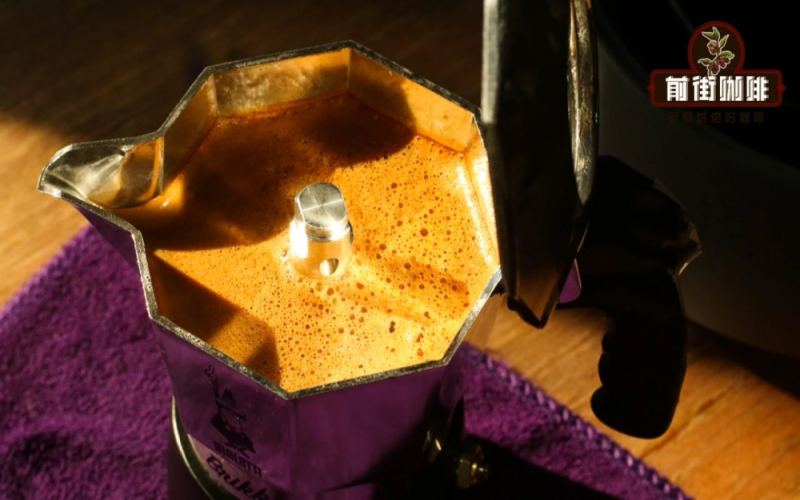
Can Moka Pot Coffee Handle Latte Art? A Practical Comparison with Espresso and a Detailed Brewing Guide
Many coffee enthusiasts are curious whether coffee brewed with a moka pot can produce beautiful latte art like espresso from an espresso machine. The baristas at Front Street Coffee are often asked this question by customers, so we decided to conduct a hands-on comparison: using the same Front Street classic espresso blend beans, extracted separately with a moka pot and an espresso machine, then using the same milk foam and similar techniques for latte art. The results showed that latte art with moka pot coffee had paler colors and blurry lines, while espresso patterns were clear with strong contrast. Behind this are key factors such as crema richness and extraction pressure. This article will present the complete comparison process and share how to make moka pot coffee richer through bean selection and grinding, while retaining Front Street brand recommendations and product information to help you easily make good coffee at home. [more…]
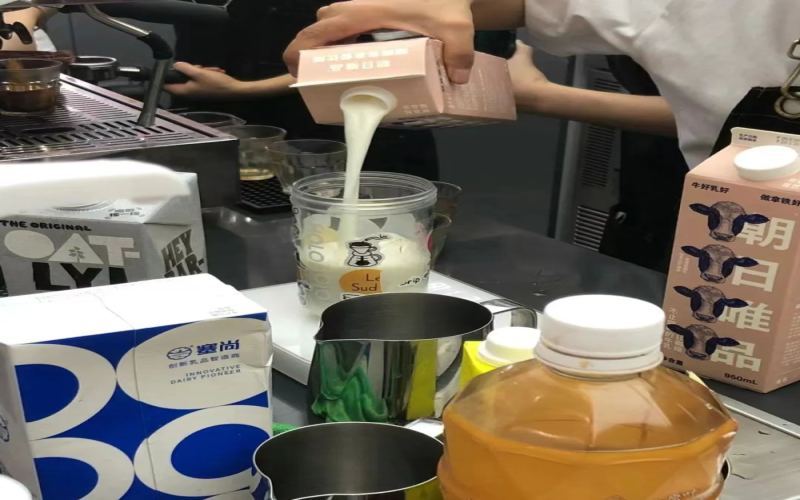
Asahi Weipin launches a transparent clear milk, taking clarified milk from handmade to mass production
In coffee drinks, milk has always been latte's soulmate, and its quality directly affects the taste performance of the final product. In recent years, the continued heating up of the coffee market has also brought a group of high-quality milk brands into the public eye, and Asahi Weipin is one of the most noteworthy. The brand recently launched a transparent milk that overturns traditional perceptions—Clear Milk, claiming to have a lighter taste than milk yet be smoother and richer than water. The arrival of this product means that clarified milk, which in the past required baristas to spend a great deal of time making by hand, can now be mass-produced, bringing new possibilities to the creation of specialty coffee. How exactly is this transparent milk achieved? How does its taste differ from ordinary milk? This article will explain it in detail for you. [more…]

Flavor analysis of ten common coffee drinks in cafés: from espresso to latte to cold brew and specialty creations
Walking into a coffee shop and facing a dense menu, many people are momentarily at a loss as to where to start ordering. In fact, the common coffee drinks on the market can be roughly summarized into ten types: espresso, SOE, Americano, latte, flat white, cappuccino, pour-over, cold brew, Dirty, and specialty coffee. The vast majority of them use Arabica coffee beans as the raw material, differing only in extraction method, milk ratio, and preparation technique. Front Street Coffee will go through the recipe logic and flavor characteristics of these ten coffees one by one, helping coffee lovers quickly build a clear understanding and find the cup that best suits their taste. [more…]